

Hasidic Magic: Part II
I spent a weekend in Hasidic Monsey and it reminded me what it’s like to briefly not feel like a minority.

A couple weeks ago I wrote about my incredible experience spending Shabbat in Antwerp, after my Hasidic friend Sruli hooked me up with multiple wonderful families who hosted me, a total stranger, for several meals. There was one condition for all of Sruli’s assistance: when I got back to New York, I’d spend a Shabbat with him and his family at their home in Monsey. This is that story.
Last Friday afternoon, I rushed to 47th Street in Midtown Manhattan to catch a bus. Not just any bus, but Monsey Trails, the Hasidic bus line connecting the city to Rockland County. I waited in line with passengers wearing different types of Orthodox garb. An hour and a half later, I stepped off into what felt like an alternate universe.
Everyone wished the driver a Good Shabbos as they stepped off the bus. This was the first sign I wasn’t in Kansas anymore.1 I had some time to kill before my host for the weekend, Sruli Adler, could come pick me up, so I wandered around the shopping center by the drop-off point. It was a mall like any other, except exclusively populated by Hasidic Jews, doing crucial last minute shopping before Shabbat. The speakers on the sound system played traditional Jewish songs, bringing in the Shabbat mood.
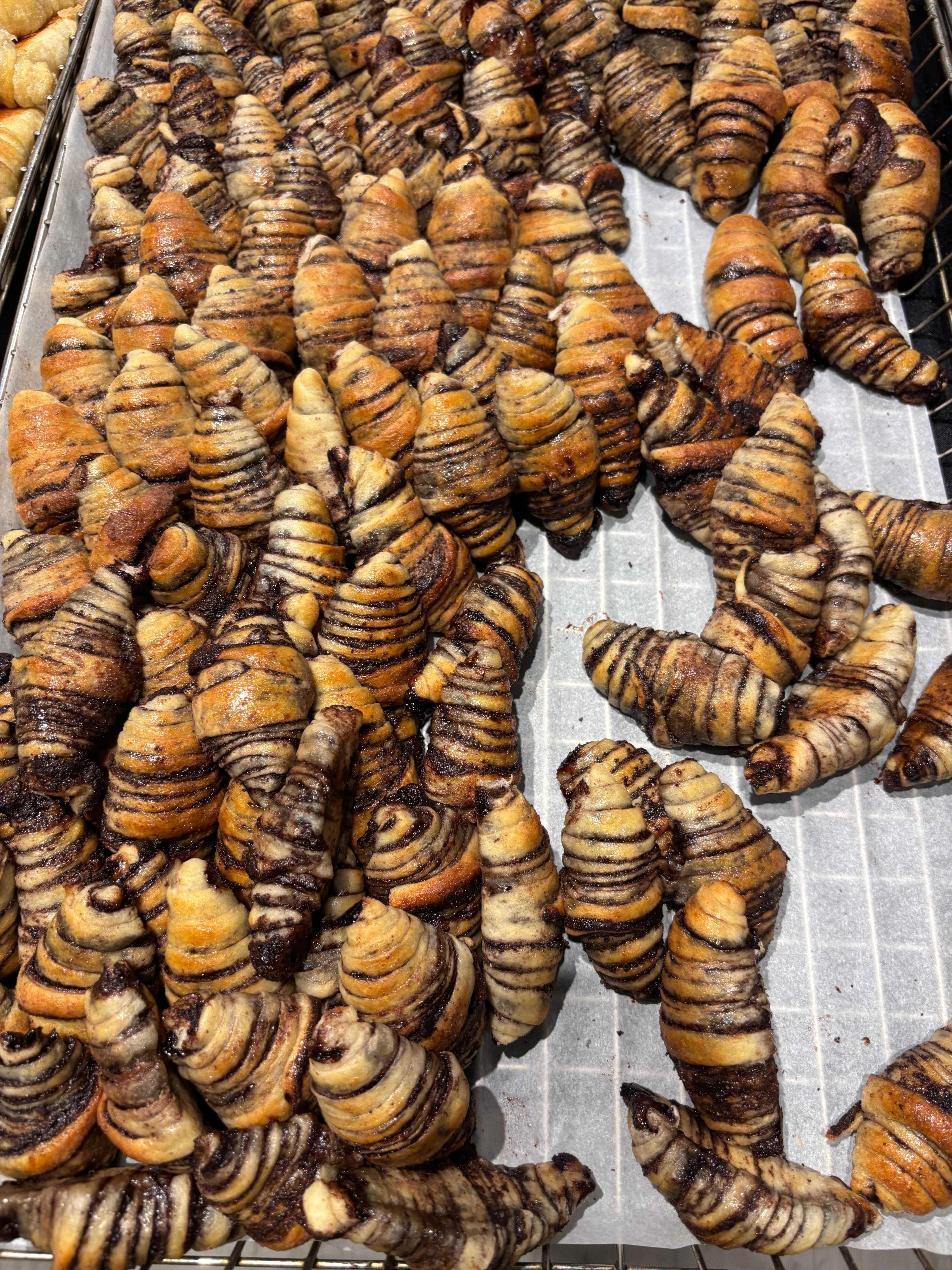
Growing up as a member of a tiny Jewish minority in America2, I’m used to not being represented in the dominant culture. When I think of mall music, I think of Christmas tunes, so it felt surreal to hear Hebrew instead of Jingle Bells. Then I entered Evergreen, the Kosher supermarket of your dreams. Endless piles of rugelach. A literal cholent3 station. Barrels of pickles. An aisle of gummy candies that I could actually eat, since none of them contained gelatin4. Small things like this might seem silly, but when you’ve spent your whole life feeling othered, they become surprisingly meaningful.


In the vitamins section, I saw items that felt almost like parody. Things like Uncle Moishy brand Vitamin C, and special drops that supposedly soothe anger and frustration, “restoring composure.” I couldn’t help but laugh at these uniquely Jewish supplements.


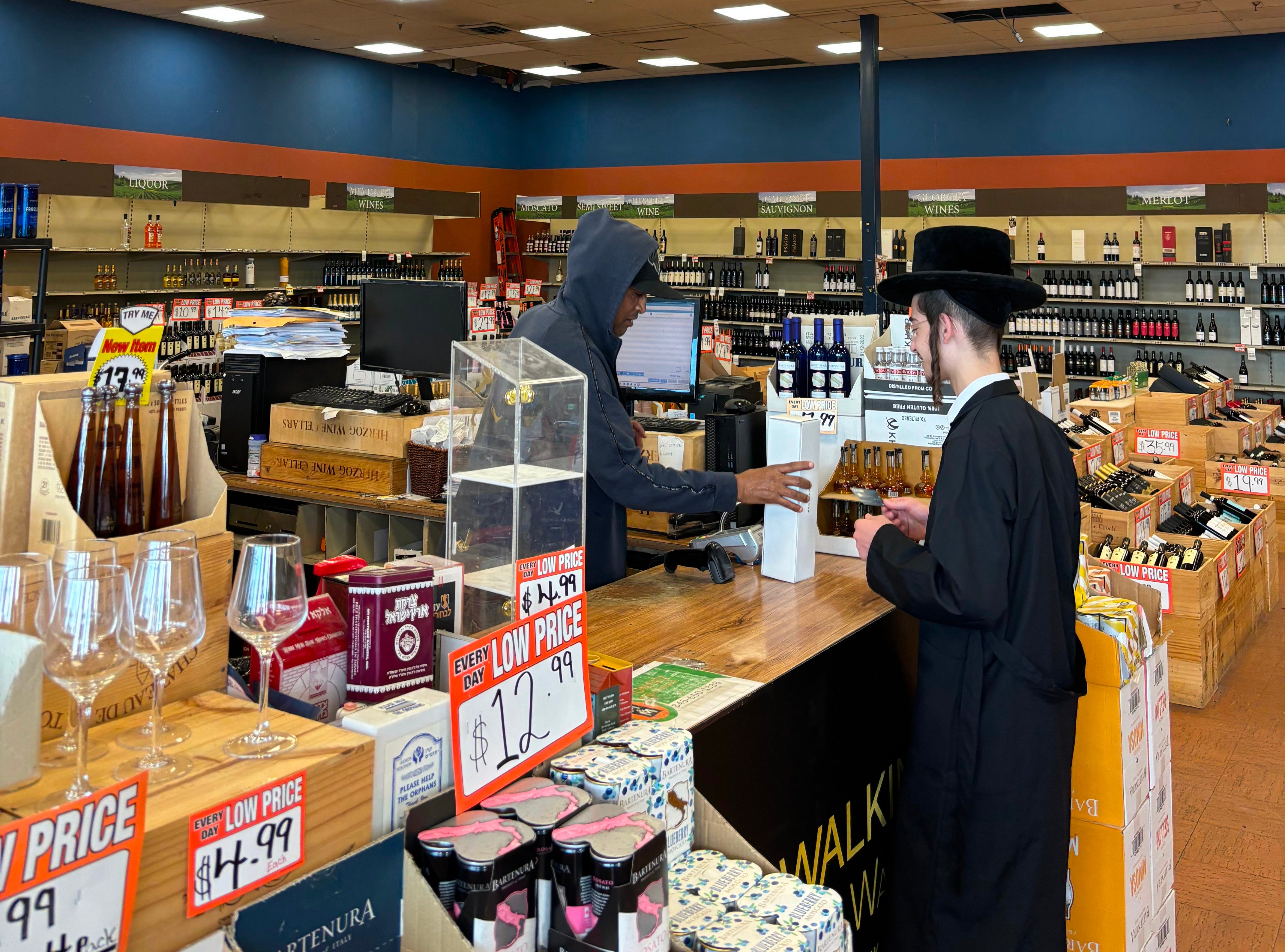
After helping myself to a bowl of cholent, I went next door to the wine shop to buy a bottle for my host. The guy running the store was Latino and not Jewish, but he knew every detail about the different levels of Kosher certification and wished every customer a Good Shabbos on their way out, with perfect pronunciation and warmth.
I was overcome by a sensation I usually only get when I’m in Israel: the strange feeling of not being a minority for once. If you’re unfamiliar, Monsey and the surrounding towns have a rapidly growing population of Orthodox Jews,5 especially Hasidim, and some estimates say 41% of the population speaks Yiddish at home. If you ever wondered what it’s like to live in the shtetl from Fiddler on the Roof, go to Monsey.
What makes Monsey such a unique environment is that unlike the crowded Hasidic neighborhoods in Brooklyn, Monsey is full of nature. I’d never seen a sidewalk populated by both Hasidim and deer before, but now I can cross that off my list.
I had a lovely dinner that evening with Sruli and his family. His wife Malky made a delicious meal: warm challah, chicken soup, gefilte fish, brisket, and more. The next day, I went to synagogue with him and after the service, I received an unexpected comment. A guy approached me and said, “I read your Substack!” It turns out Sruli shared my Antwerp essay on his WhatsApp status the week before, and now I’ve got fans in Monsey!
Everyone I met was incredibly friendly, and several people invited me to come back another weekend and stay with them. The rest of the day involved more meals, long conversations, and one of Judaism’s greatest inventions: the Shabbos nap.
But before the weekend ended, I had one more fascinating experience: a tisch with the Rebbe of New Square. New Square is a neighboring village that is completely populated by a sect of Hasidim called Skver. On Saturday evenings, the men of the community gather to sing and pray and receive blessings from their chief rabbi and leader, who sits at a head table (tisch is Yiddish for table).
Sruli had some business to tend to, so he dropped me off to experience it on my own. I entered a massive building, unsure of what to expect. Inside I found thousands of men, all dressed in matching black coats and furry shtreimels (hats), sitting on rows and rows of bleachers. They were rocking back and forth in song. In the distance I saw the rebbe, a white-bearded man in his 80s, with kind eyes.
It was unlike anything I’d ever witnessed. I noticed people staring at me. Not suspiciously, just curiously. What was a guy like me doing there? Before long, a man walked over, welcomed me warmly, and invited me to come back and stay with him for a future Shabbat.

When the singing ended, people lined up to greet the Rebbe. Kids shoved toward the front, eager for a moment with their leader. I figured I might as well get the full experience while I was there, so I joined the line. When I reached him, I followed everyone else and wished him “Gut Vach,” a good week in Yiddish. I did it with extra intention, making direct eye contact, hoping to glean a bit of Hasidic magic off this holy man.
The next morning I headed back to Manhattan. And while I quickly got back into my regular routine, a lot of Monsey stayed with me. What makes Hasidic communities special is the intense devotion to the values they believe in. Constant study and learning. Acts of kindness to those in need. Deep care for family and friends. Appreciation for everything you eat and drink. You don’t have to be Hasidic to embody these values, just a thoughtful and intentional human being.
And the care didn’t stop once I left. This week, multiple people I met followed up to invite me back for Shabbat. Their offers weren’t empty gestures; they really meant it. And Sruli, who repeatedly emphasized to me the importance of getting married and having kids, checked in with me on Wednesday to ask if I had made any progress. I told him that in the three days since I’d seen him, I still wasn’t married, but I was working on it.
If you’re a Hasid reading this, that’s a reference to a movie called The Wizard of Oz. I’m not actually from Kansas.
2% of the American population, 0.2% of the world, despite Joe Rogan thinking there are a billion of us.
Cholent is a traditional Jewish stew eaten before and during Shabbat. Some believe it comes from the French words “chaud” and “lent” meaning hot and slow, which describes how it’s cooked.
Animal shortening that often contains pig fat
An estimated 90,000 Jews live in Rockland County.